The butterfly starts as a tiny egg laid on a plant leaf. The egg is usually very small and can be different colors depending on the butterfly species.

The caterpillar hatches and spends most of its time eating leaves. It grows quickly and sheds its skin several times as it gets bigger.
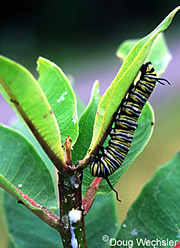
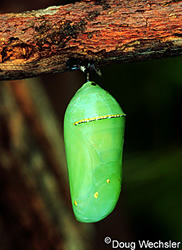
The caterpillar forms a protective chrysalis where it transforms. Inside the chrysalis, amazing changes happen as the caterpillar becomes a butterfly.
The adult butterfly emerges from the chrysalis with beautiful wings. It feeds on nectar from flowers and focuses on finding a mate to continue the cycle.

An egg-laying adult butterfly represents the final, reproductive stage of the insect's life cycle. Her primary biological mission is to find the correct host plants and safely deposit the next generation of caterpillars.
**What did you learn that you didn't know before?** I learned that one CSS rule can be used to style several elements at the same time, which makes the code shorter and easier to manage. The most surprising thing was how small changes in CSS, such as spacing, sizing, or alignment, could make a big difference to the overall appearance of the webpage. **How did you collaborate with AI?** I used ChatGPT to help me understand CSS and HTML and to suggest ways to improve my code. I contributed by explaining what I wanted the webpage to look like, checking the AI's suggestions, and deciding which changes matched my design. I also tested and fixed parts of the code when the result was not exactly what I wanted. **How do you know your code works?** I checked my webpage in the browser after making changes and compared it with my original design. I also used DevTools to inspect the HTML and CSS and checked that the elements were displayed correctly. Finally, I tested the page at different screen sizes to make sure the layout remained responsive.